Why gut health and anxiety Are Important for Mental Health
Understanding the Connection: How Intestinal Health Influences Anxiety Levels
How gut health relates to anxiety levels has emerged as a notable area within mental health research. The intestinal microbiome serves a crucial function in controlling mood and emotional reactions. Disturbances within gut flora may contribute to the development of anxiety disorders. Understanding how dietary patterns and specific nutrients shape this relationship is important. Recognizing these patterns could unveil new strategies for managing anxiety effectively. What implications might this have for everyday dietary choices?
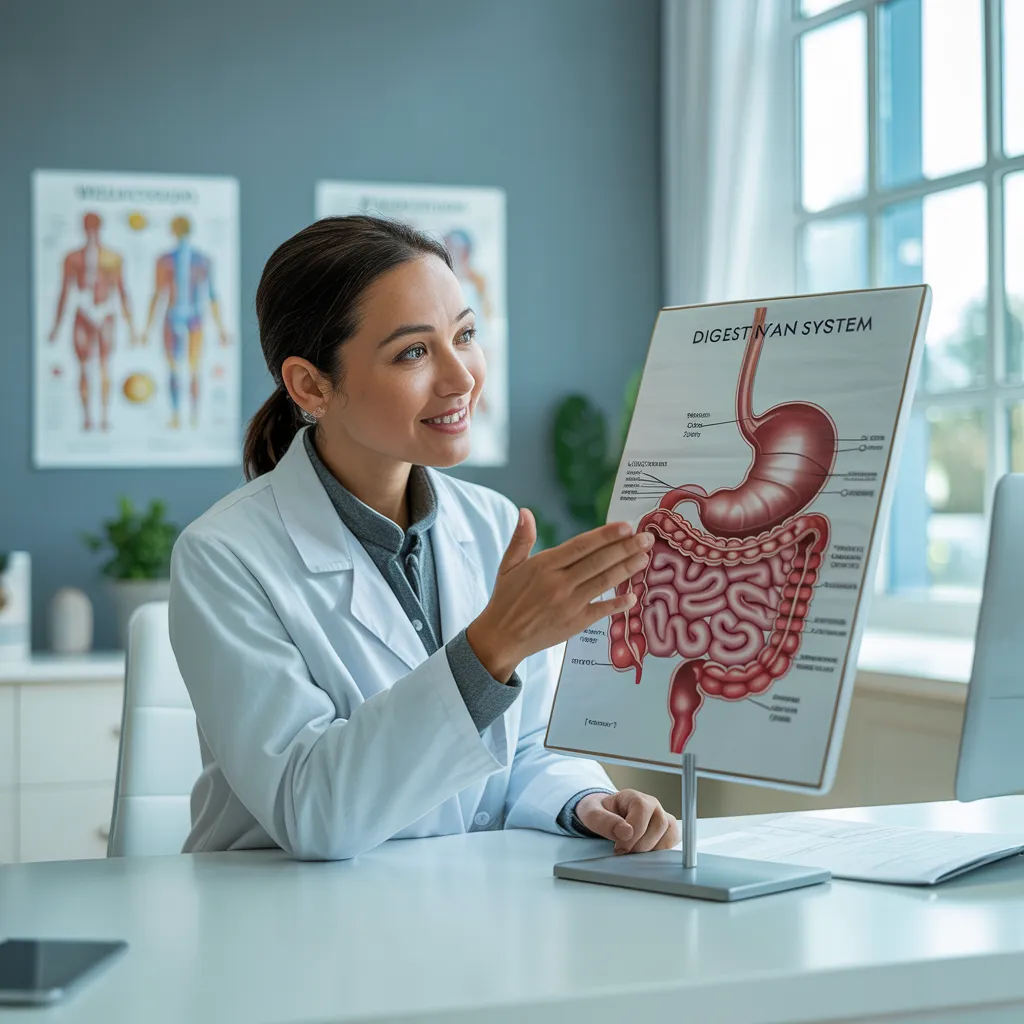
Understanding the Brain-Gut Connection: Its Importance
Although the association between the gut and the brain has been known for centuries, recent scientific investigation has shed light on the significance of the gut-brain axis in impacting mental health. This multifaceted communication network includes biochemical signaling between the gastrointestinal tract and the central nervous system, highlighting the role of gut health in emotional regulation. Neurotransmitters produced in the gut, such as serotonin, play an critical role in mood stabilization. Additionally, the gut microbiome engages with the immune system and can affect inflammatory responses tied to jump in anxiety. Understanding this axis is crucial, as it provides avenues for potential interventions through dietary changes or probiotics, potentially offering new strategies to manage anxiety and boost overall mental well-being. The implications of this research are hopeful for future mental health treatments.
The Way Gut Microbiota Affect Mood and Anxiety
The detailed association between gut microbiota and mental health has gained increasing attention, indicating that the diverse community of microorganisms dwelling in the gastrointestinal tract plays a pivotal role in shaping mood and anxiety levels. Research indicates that gut bacteria communicate with the central nervous system through different pathways, including the production of neurotransmitters such as serotonin, which greatly influences emotional states. Furthermore, gut microbiota can affect the body's stress response and inflammation levels, both of which are closely connected to anxiety disorders. Studies have shown that a balanced microbiome may contribute to better emotional regulation, while dysbiosis, or an imbalance in gut bacteria, has been connected with heightened anxiety and mood disorders. This emphasizes the importance of gut health in mental well-being.
The Importance of Diet for Gut Health
Diet plays a vital role in maintaining gut health, which in turn can impact anxiety levels. Foods high in nutrients, together with probiotics, maintain a balanced gut microbiota vital for emotional well-being. On the other hand, excessive sugar intake can detrimentally influence gut flora, possibly intensifying anxiety symptoms.
Why Nutrient-Dense Foods Matter
When one prioritizes nutrient-dense foods, they frequently experience substantial improvements in their gut health, which can considerably affect overall well-being. Including a variety of whole foods, such as fruits, vegetables, whole grains, lean proteins, and healthy fats, supplies essential vitamins and minerals that support digestive function. These foods foster a balanced microbiome, which is essential for processing nutrients and maintaining gut integrity. Additionally, nutrient-rich diets can reduce inflammation, a factor that may exacerbate anxiety and other mental health issues. By emphasizing quality nutrition, individuals can promote a resilient gut environment, ultimately fostering mental clarity and emotional stability, thereby creating a strong foundation for improved mental health outcomes.
Probiotics and Gut Flora
Although numerous individuals may not recognize it, the balance of gut flora plays an essential role in overall health, particularly in relation to anxiety levels. Probiotics, which are beneficial bacteria found in certain foods and supplements, can considerably influence gut health. When consumed, they help restore the natural balance of gut flora, strengthening digestive function and promoting a healthy immune response. Research suggests that a well-balanced gut microbiome can positively impact neurotransmitter production, such as serotonin, which is crucial for mood regulation. Dietary sources of probiotics include yogurt, kefir, sauerkraut, and other fermented foods. By incorporating these into their diets, individuals may support not only their gut health but also potentially reduce anxiety symptoms linked to imbalances in gut flora.
The Harmful Effects of Sugar
In what ways does consuming sugar influence gut health and anxiety levels? Consuming too much sugar can upset the balance of gut microbiota, fostering the growth of harmful bacteria while inhibiting beneficial strains. This imbalance might cause increased intestinal permeability, frequently called "leaky gut," permitting toxins to enter the bloodstream and trigger inflammation. Inflammatory responses may impact brain function and is connected to heightened anxiety and mood disorders. Moreover, sugar can lead to fluctuations in blood sugar levels, which could aggravate feelings of irritability and anxiety. By maintaining a diverse and healthy gut microbiome through reduced sugar consumption, individuals may not only improve their gut health but also reduce anxiety levels, emphasizing the critical interplay between diet, gut health, and mental well-being.
Important Nutrients for Strengthening Mental Health
Important nutrients play a significant part in enhancing mental health and can substantially impact mood patterns and anxiety symptoms. Important vitamins, essential minerals, and omega-3 fatty acids are among the key substances that support cognitive function and emotional well-being. Learning about their specific benefits can provide valuable insights into maintaining mental health through dietary choices.
Key Vitamin Supplements for Emotional Health
Vitamins play an essential role in managing emotional states and maintaining mental wellness, as they supply essential nutrients that the body needs to function at its best. Essential vitamins such as B-complex vitamins, particularly B6, B9 (folate), and B12, are essential for neurotransmitter synthesis, influencing serotonin and dopamine levels. Vitamin D also fulfills a crucial purpose; its deficiency has been associated with mood disorders. Furthermore, vitamin C is valuable for its antioxidant properties and its participation in neurotransmitter production. Collectively, these vitamins aid in the maintenance of emotional well-being and can help mitigate anxiety symptoms. Maintaining adequate intake through supplementation or diet may improve emotional states and enhance overall mental well-being.
Minerals That Promote Mental Wellness
Minerals serve a vital function in maintaining mental health and improving cognitive function. Critical minerals such as magnesium, zinc, and iron are essential for optimal brain performance. Magnesium assists in regulating neurotransmitters, which can ease symptoms of anxiety and depression. Zinc contributes to cognitive function and mood stabilization by supporting neurogenesis and synaptic plasticity. Iron is vital for oxygen transport in the blood, determining energy levels and mental clarity; a deficiency can result in fatigue and cognitive impairment. Moreover, selenium contributes to mood regulation and may help reduce anxiety symptoms. Maintaining adequate intake of these minerals through a balanced diet can substantially affect mental well-being and foster a healthier mind.
Benefits of Omega-3 Fatty Acids
While regularly underestimated, omega-3 fatty acids are indispensable for mental health, offering numerous benefits that can strengthen cognitive function and emotional well-being. These polyunsaturated fats, largely found in fish, flaxseeds, and walnuts, play a major role in brain structure and function. Research suggests that omega-3s can lessen symptoms of anxiety and depression, potentially by altering neurotransmitter regulation and reducing inflammation. Moreover, they may support neurogenesis, the process of generating new neurons, which is essential for maintaining mental resilience. Integrating omega-3-rich foods into the diet can promote improved mood and cognitive clarity. Therefore, recognizing the importance of omega-3 fatty acids is essential for individuals seeking to improve their mental health and overall emotional stability.
Successful Techniques for Digestive Wellness and Anxiety Alleviation
Various studies demonstrate a strong connection between gut health and anxiety levels, emphasizing the importance of effective strategies for improvement. Implementing a diet rich in probiotics and prebiotics can considerably enhance gut microbiota, thereby fostering mental well-being. Foods such as yogurt, kefir, and fiber-rich fruits and vegetables play an essential role in this process. Regular physical activity has also been shown to optimize gut health while reducing anxiety. Mindfulness practices, including meditation and yoga, can help reduce stress, further improving gut function. Additionally, ensuring adequate hydration and avoiding processed foods can create a balanced gut environment. Together, these strategies can help with alleviating anxiety symptoms and fostering overall mental resilience.
Detecting Stomach-Related Anxiety Signs?
The connection linking intestinal health and anxiety may appear in multiple bodily and mental manifestations. Persons suffering from gut-connected nervous tension may recognize stomach troubles including bloating, constipation, or diarrhea, frequently initiated by tension. Furthermore, they could experience ongoing sensations of discomfort, restlessness, or irritability, which can increasingly intensify their digestive distress. Rest disruptions, such as insomnia or disturbed rest, can also appear, associating compromised digestive wellness to heightened anxiety levels. Additionally, urges for poor dietary choices can appear, establishing a loop that adversely affects both stomach and mental health. Acknowledging these signs is vital, as they could indicate an core relationship between gut function and mental well-being, urging individuals to pursue suitable treatments.
Nurturing Your Gut for a Calmer Mind
In what ways can caring for the gut promote mental calmness? Research indicates that a healthy gut microbiome holds a key position in mental well-being. Probiotics, found in fermented foods like yogurt and kimchi, can enhance gut health, possibly decreasing anxiety symptoms. Moreover, a diet rich in fiber, fruits, and vegetables encourages beneficial bacteria, creating a balanced gut environment. Omega-3 fatty acids from sources like fish and flaxseeds, also enhance mental health by lowering inflammation. Proper hydration is important, as water assists digestion and nutrient absorption. Regular exercise further promotes gut health and triggers endorphins, which can improve mood. By implementing these dietary and lifestyle changes, individuals may experience improved gut health and, consequently, a calmer mind.
Common Questions
Can Probiotics Help Reduce Anxiety Symptoms Effectively?
Probiotics might successfully reduce anxiety symptoms in some individuals. Research shows that these beneficial bacteria can positively affect gut microbiota, potentially resulting in improved mental health outcomes, though results can vary among different people.
How Much Time Is Needed to Notice Gut Health Improvements?
Enhancements in gut health can commonly be seen within anywhere from weeks to several months, based on diet alterations, probiotic consumption, and individual health factors. Dedication and patience are vital for obtaining significant results.
Can Specific Foods Be Connected to Higher Anxiety Levels?
Specific foods, specifically those packed with sugar, caffeine, and saturated fats, might lead to elevated anxiety levels. Additionally, processed foods can negatively affect gut health, further intensifying feelings of anxiety in sensitive people.
Is There a Particular Diet for Managing Anxiety?
A particular diet for anxiety management typically contains whole foods, omega-3 fatty acids, probiotics, and antioxidants. This type of diet could aid in balancing mood and reduce anxiety symptoms, fostering holistic mental well-being and resilience.
Is Gut Health Negatively Affected by Stress?
Stress can certainly harm gut health by disrupting the balance of gut bacteria, leading to inflammation and digestive issues. This imbalance may further exacerbate stress and anxiety, forming a negative cycle for overall well-being.